
The Wes Anderson Runway
 Mörön Airport
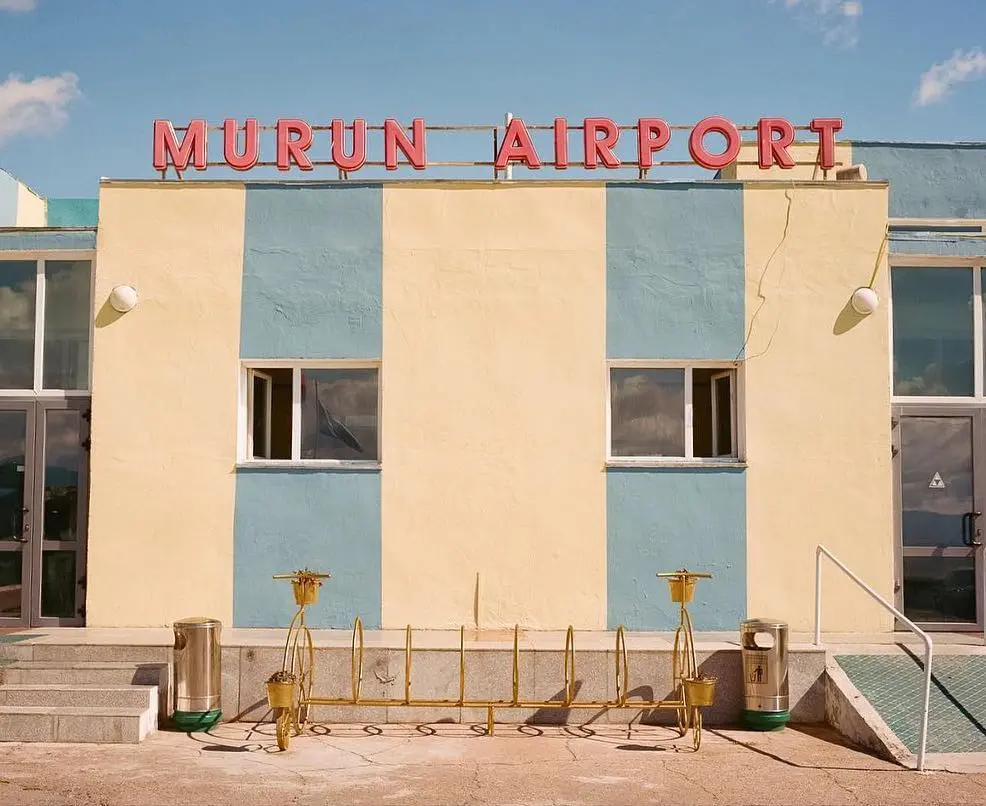
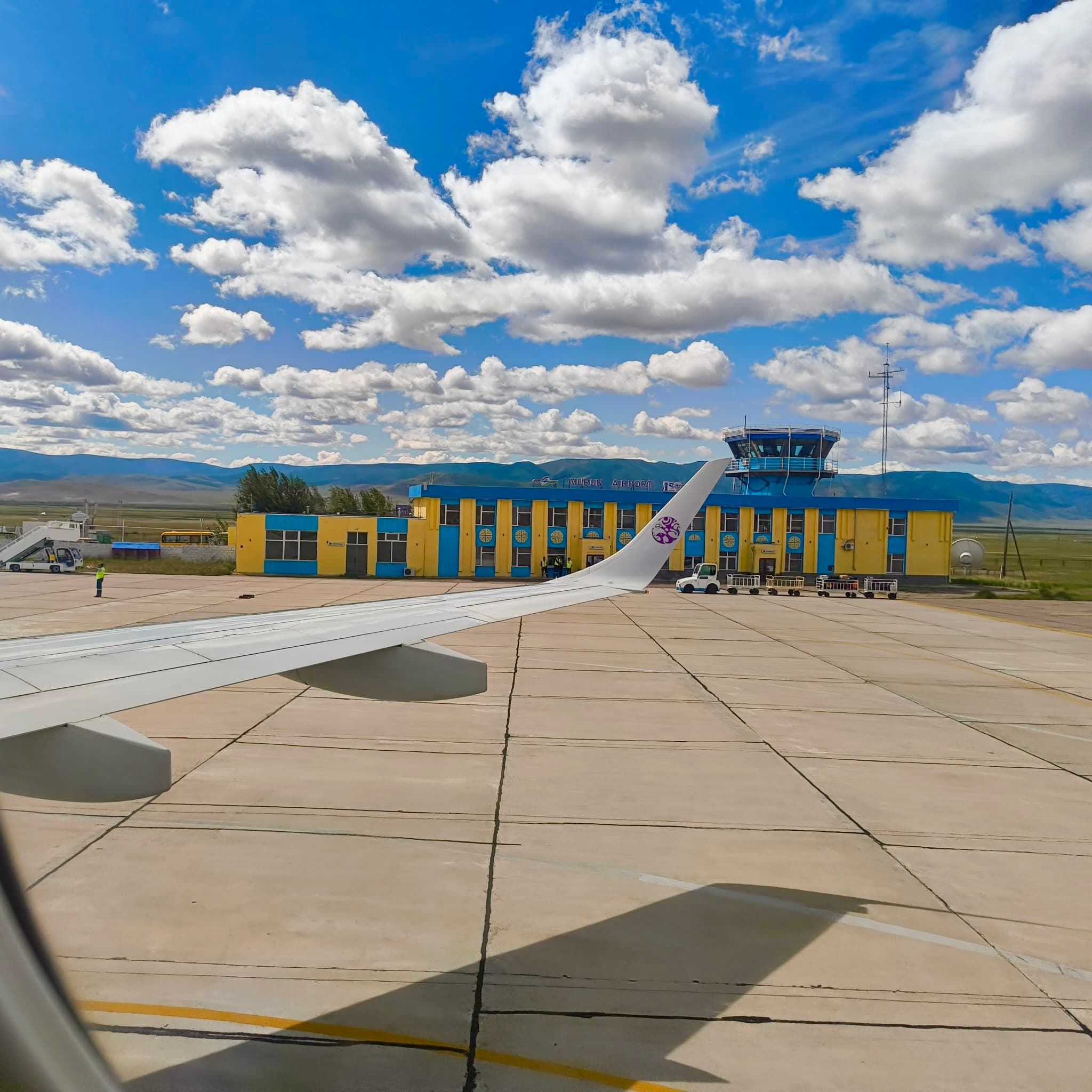
The journey north usually begins on the tarmac of Mörön Airport (MXV). While a previous, pastel iteration of its architecture once caught the eye of the Accidentally Wes Anderson catalogue, the modern reality of the airstrip is much more grounded. It is so deeply woven into the daily fabric of the town that, before the first flights arrive, the perimeter of the runway is routinely repurposed by the local jogging club as their morning training track.
The Northern Icarus
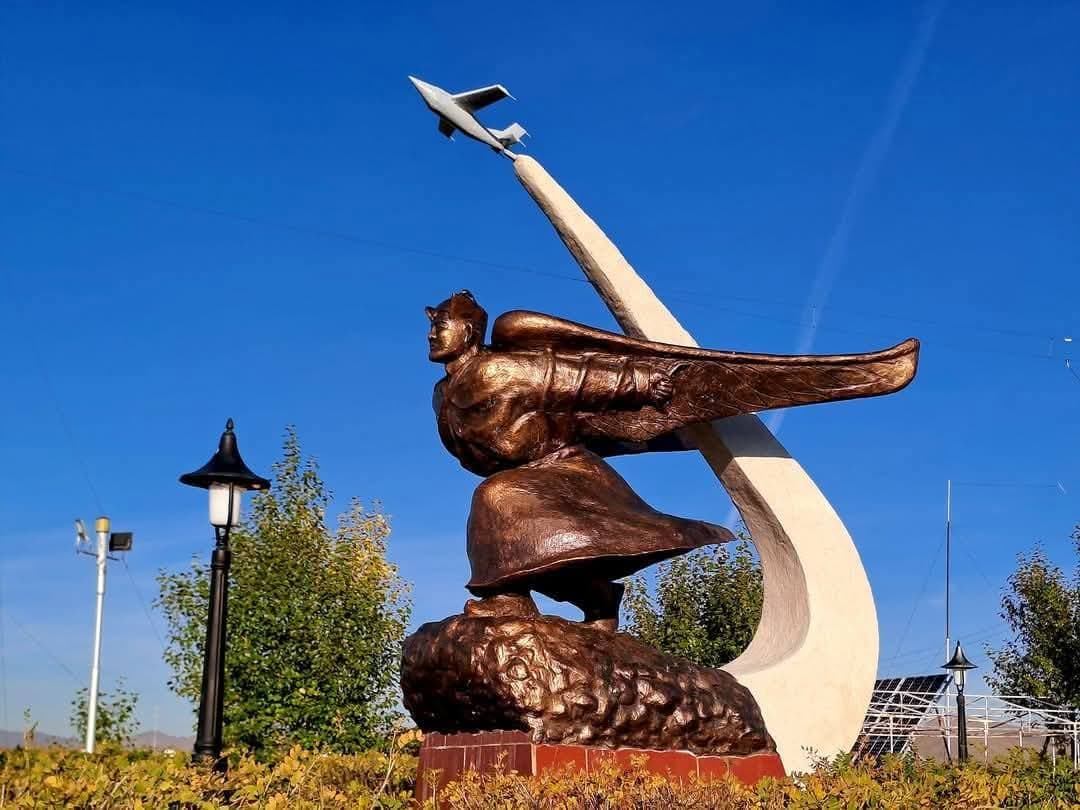
Stepping out of the terminal, arrivals are met by a bronze monument that captures the sheer, unapologetic defiance of the province. It depicts Shükherch Gelenkhüü, a local from the 1930s who became so consumed by the concept of flight that he engineered his own wings out of sheepskin and eagle feathers and threw himself from a 170-meter cliff.
To domestic guests, the premise instantly evokes Byambyn Rinchen's acclaimed short story, Shükherch Bunya (Parachutist Bunya). But there is a sharp divergence between national fiction and northern reality. In Rinchen's tale, the aviator's ambition ends in tragedy and death. Gelenkhüü, however, survived his fall—brilliantly—by driving his own flock of sheep to the base of the cliff beforehand to act as a physical cushion.
The International Fire Engine
Mörön is defined by its resourcefulness. When the airport recently celebrated a massive milestone—receiving its first-ever direct international flight from South Korea—aviation protocol dictated that two fire engines had to be present on the tarmac. Equipped with only one, the airport was unfazed. They simply borrowed the municipal fire engine from the town square for the afternoon. The flight landed flawlessly.
Finding Dalai Eej
As you drive through the streets to provision for the lake, the local reverence for your final destination becomes obvious. The town's bustling central market is named Dalai Eej ("Mother Ocean"), and you will spot the exact same name painted across the facades of countless neighborhood kiosks. It is a fun, recurring primer on the lake's cultural gravity as you navigate the final roads toward the pristine eastern shores.