
Two Ways of Life, Two Faiths
This dramatic geography created a hard border between two radically different ways of life—and ultimately, two different spiritual worlds.
The Steppe and the Sutras
To the south, the pastoralists thrived on the open plains. As the centuries progressed, the steppe nomads underwent a massive cultural shift, adopting Tibetan Buddhism. High lamas became powerful political figures, vast monasteries were built across the plains, and the nomadic elite embraced the structured, institutionalised religion of the Yellow Hat sect.
The Forest and the Old Gods
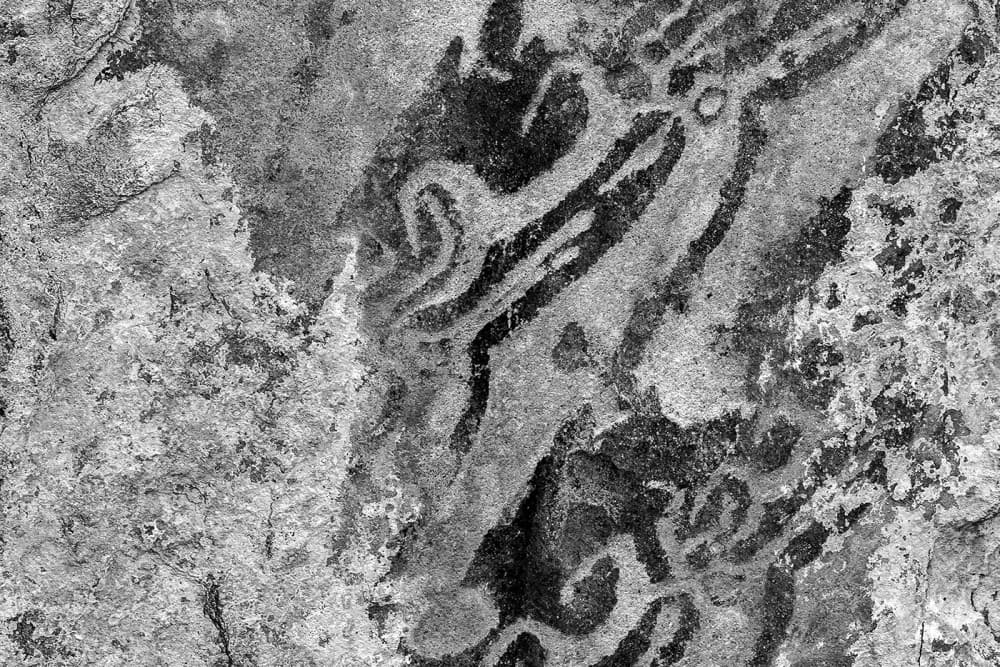
To the north, deep in the taiga and the neighbouring Darkhad Valley, the forest peoples lived an entirely different existence. Relying on hunting, trapping, and reindeer herding, they completely rejected the encroaching Buddhism. The dense, impenetrable forests acted as a fortress, allowing the northern tribes to preserve the original animist faith of the Mongols: Shamanism.
The Liquid Soul
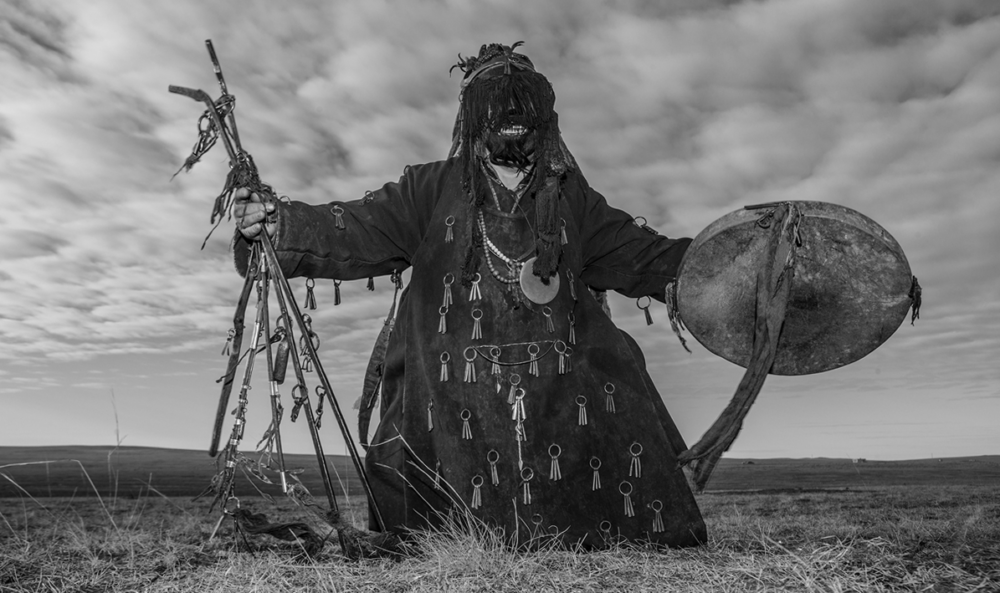
To the shamans who guided the Great Khans, the spirit was not made of breath or air, but water.
To this day, the Khövsgöl region remains the undisputed heartland of Mongolian shamanism—the original religion of Chinggis Khan. While his successors would later bastardise the old ways, adopting foreign faiths and elaborate rituals as they settled into sedentary empires, the Great Khan's own spirituality was notoriously austere. He famously performed no sacrifices, preferring to simply remove his hat and belt to speak directly to the Eternal Blue Sky. When you arrive in Khatgal and look out over the water, you are standing on the ultimate frontier: the exact point where the Buddhist steppe ends, and that ancient, unmediated connection to the taiga begins.
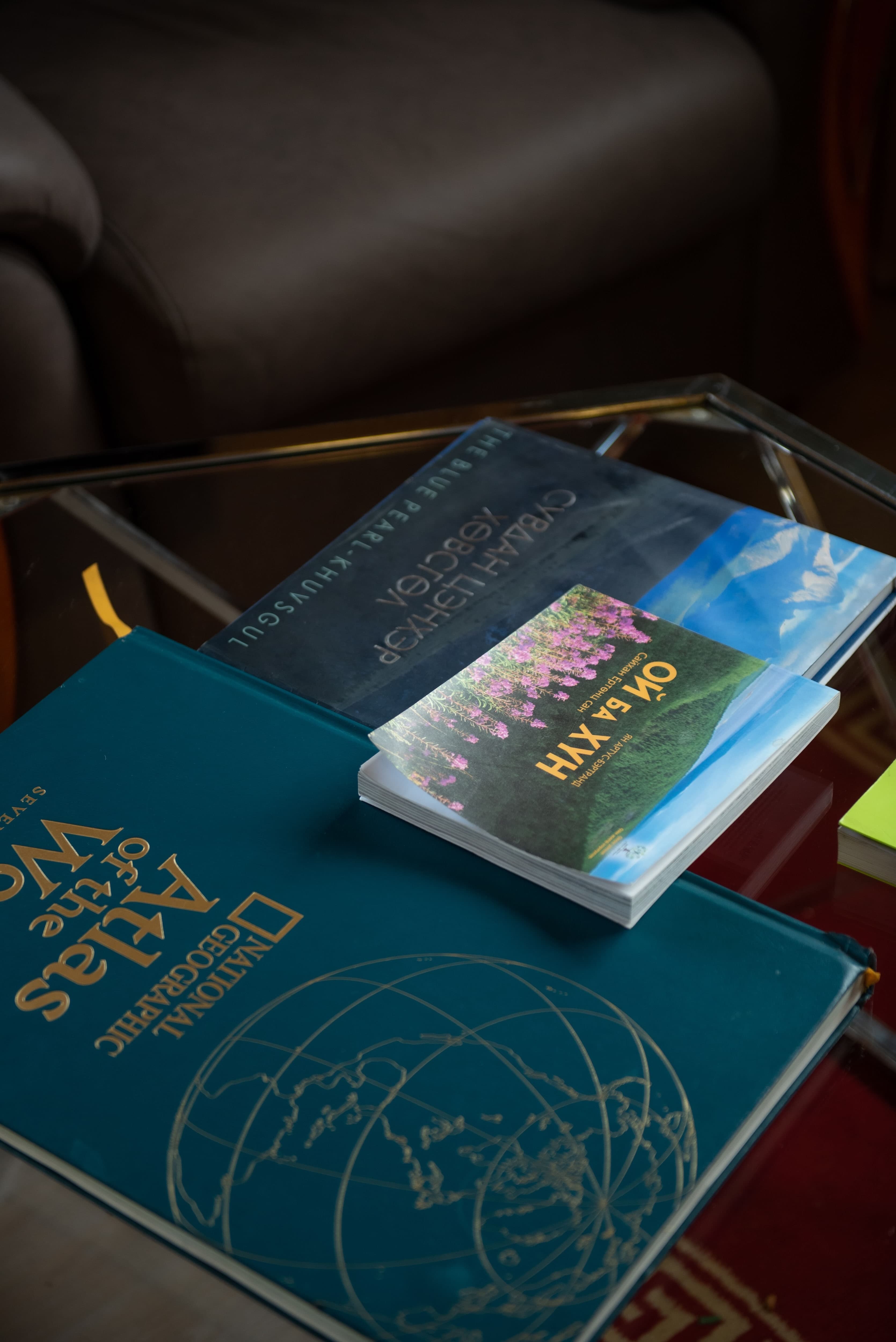
Selections from the estate library. A curated study of the northern frontier, featuring local cartography, regional ecology, indigenous glossaries, and foundational Mongolian history.